Buying Manufactured Homes: A Complete Guide
- Lisa Meddock
- Mar 16
- 5 min read

Purchasing a manufactured home can be a smart and affordable way to own a property tailored to your needs. These homes offer flexibility, customization, and cost savings compared to traditional site-built houses. However, the process of buying a manufactured home involves unique considerations that differ from conventional home buying. In this guide, I will walk you through everything you need to know to make an informed decision and navigate the process smoothly.
Understanding the Benefits of Buying Manufactured Homes
Manufactured homes have evolved significantly over the years. Today’s models are built to high standards, often with energy-efficient materials and modern designs. Here are some key advantages:
Affordability: Manufactured homes typically cost less per square foot than traditional homes. This makes them an excellent option for families seeking budget-friendly housing.
Customization: You can choose floor plans, finishes, and features to suit your lifestyle. Many manufacturers offer options for kitchens, bathrooms, and exterior styles.
Speed of Construction: Since these homes are built in factories, construction time is faster and less affected by weather delays.
Energy Efficiency: Newer models often include energy-saving windows, insulation, and appliances, reducing utility bills.
Flexibility of Location: Manufactured homes can be placed on private land or in communities designed specifically for them.
Before you start shopping, it’s important to understand the terminology and types of manufactured homes. These homes are built according to federal HUD standards, which ensure safety and quality. They differ from modular homes, which are built to local building codes and assembled on-site.
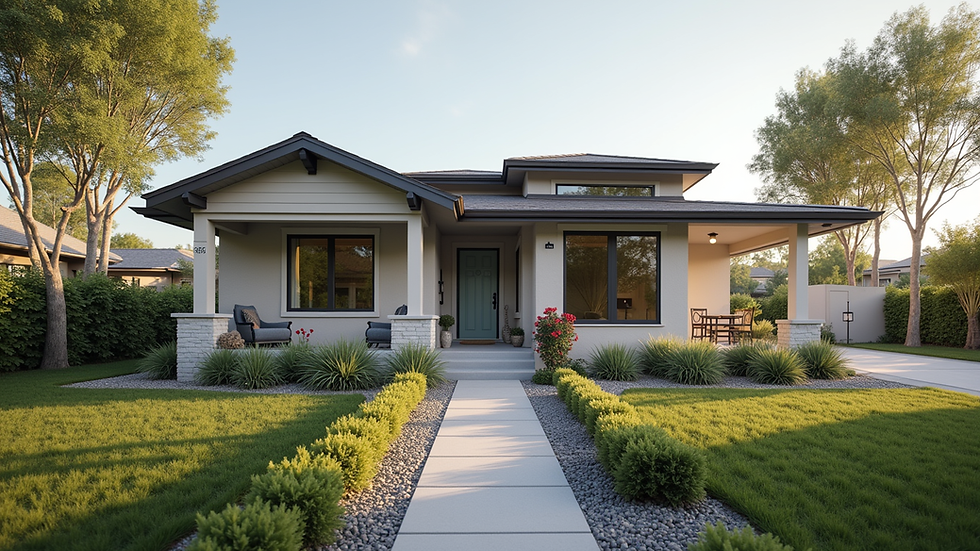
Key Steps to Buying Manufactured Homes
Buying a manufactured home involves several important steps. Here’s a clear roadmap to guide you:
Determine Your Budget
Calculate how much you can afford, including the home price, land costs (if applicable), site preparation, and utilities.
Choose a Location
Decide whether you want to place your home on your own land or in a manufactured home community. Consider proximity to schools, work, and amenities.
Research Manufacturers and Dealers
Look for reputable companies with good reviews and warranties. Visit showrooms to see models in person.
Select Your Home Model and Features
Choose the floor plan, size, and customization options that fit your needs.
Secure Financing
Manufactured home loans differ from traditional mortgages. Explore options such as FHA Title I loans, personal property loans, or conventional loans if the home is permanently affixed to land.
Inspect the Home
Before finalizing the purchase, arrange for a professional inspection to check for quality and compliance with HUD standards.
Arrange Delivery and Installation
Coordinate with the dealer for transportation, setup, and utility hookups.
Complete Paperwork and Title Transfer
Ensure all legal documents are in order, including title, registration, and any permits.
Following these steps carefully will help you avoid common pitfalls and ensure a smooth buying experience.
How much credit do you need to buy a manufactured home?
Credit requirements for purchasing a manufactured home vary depending on the lender and loan type. Generally, lenders look for a credit score of at least 620 for conventional loans. However, some specialized loans may accept lower scores.
Here are some important points to consider:
FHA Title I Loans: These loans are designed specifically for manufactured homes and may have more flexible credit requirements. They typically require a minimum credit score around 580.
Personal Property Loans: These loans, also called chattel loans, often have higher interest rates and stricter credit standards.
Down Payment: Expect to put down between 5% and 20%, depending on the loan program and your credit profile.
Debt-to-Income Ratio: Lenders prefer a debt-to-income ratio below 43%, but some may allow higher ratios with compensating factors.
Improving your credit score before applying can help you secure better loan terms. Pay down existing debts, avoid new credit inquiries, and check your credit report for errors.
Customizing Your Manufactured Home to Fit Your Lifestyle
One of the biggest advantages of manufactured homes is the ability to customize. You can tailor your home to meet your family’s needs and preferences. Here are some popular customization options:
Floor Plans: Choose from single-wide, double-wide, or triple-wide layouts. Consider the number of bedrooms and bathrooms you need.
Interior Finishes: Select flooring materials, cabinetry styles, countertops, and paint colors.
Energy Features: Add energy-efficient windows, upgraded insulation, and solar panels.
Accessibility: Incorporate features like wider doorways, ramps, and grab bars for mobility needs.
Outdoor Spaces: Plan for decks, porches, or patios to extend your living area.
When working with a dealer or manufacturer, ask for detailed brochures and 3D renderings. This will help you visualize your home before construction begins.

Financing Options for Manufactured Homes
Financing a manufactured home can be different from traditional home loans. Here are the main types of financing available:
FHA Title I Loans: Backed by the Federal Housing Administration, these loans are for homes not permanently attached to land. They offer low down payments and flexible credit requirements.
FHA Title II Loans: These loans apply when the home is permanently affixed to land and treated like a traditional mortgage.
Conventional Loans: Some lenders offer conventional mortgages for manufactured homes, especially if the home is on owned land.
VA Loans: Veterans may qualify for VA loans to purchase manufactured homes.
Personal Property Loans (Chattel Loans): These loans finance the home only, not the land, and usually have higher interest rates.
Before applying, gather your financial documents, including income verification, credit reports, and proof of assets. Shop around to compare rates and terms from multiple lenders.
Preparing Your Site for a Manufactured Home
If you plan to place your manufactured home on private land, site preparation is critical. Proper preparation ensures your home is stable, safe, and compliant with local regulations.
Key site preparation steps include:
Land Survey and Permits: Verify zoning laws and obtain necessary permits.
Clearing and Grading: Remove trees, rocks, and debris. Level the ground to create a stable foundation.
Foundation Installation: Choose from pier and beam, slab, or crawl space foundations based on soil conditions and local codes.
Utility Connections: Arrange for water, sewer, electricity, and gas hookups.
Driveway and Access: Ensure there is safe and convenient access for delivery trucks and future residents.
Work with professionals experienced in manufactured home installation to avoid costly mistakes.
Finalizing Your Manufactured Home Purchase
Once your home is delivered and installed, there are a few final steps to complete:
Inspection and Walkthrough: Conduct a thorough inspection with the dealer to identify any issues.
Warranty Review: Understand the warranty coverage and how to request repairs.
Title and Registration: Register your home with the appropriate state or local agency.
Insurance: Obtain homeowners insurance that covers manufactured homes.
Move-In Preparation: Set up your utilities, furnish your home, and enjoy your new space.
Taking these final steps carefully will protect your investment and ensure a comfortable living environment.
Making Manufactured Home Ownership Work for You
Owning a manufactured home offers many benefits, but it also requires ongoing maintenance and planning. Here are some tips to maximize your experience:
Regular Maintenance: Inspect your home annually for roof leaks, plumbing issues, and HVAC performance.
Community Engagement: If you live in a manufactured home community, participate in meetings and activities to stay informed.
Upgrade Over Time: Consider adding energy-efficient appliances or remodeling rooms as your needs change.
Financial Planning: Budget for property taxes, insurance, and potential repairs.
By staying proactive, you can enjoy the comfort and affordability of your manufactured home for years to come.
For those interested in a detailed step-by-step process, I recommend consulting a comprehensive manufactured home buying guide to deepen your understanding and prepare thoroughly.
This guide aims to provide clear, practical advice for anyone considering buying a manufactured home. With careful planning and informed decisions, you can find a quality, customizable home that fits your budget and lifestyle perfectly.


Comments