Customizing Manufactured Homes: How to Customize Your Manufactured Home Easily
- Lisa Meddock
- Mar 9
- 3 min read

Manufactured homes offer a unique opportunity to create a living space tailored to your needs without the high costs of traditional construction. With advances in design and materials, these homes can be customized extensively to reflect your style and functional requirements. I will guide you through the process of customizing manufactured homes, highlighting practical steps and considerations to make your dream home a reality.
Understanding the Basics of Customizing Manufactured Homes
Customizing manufactured homes starts with understanding the options available. Unlike standard models, customized homes allow you to select floor plans, finishes, and features that suit your lifestyle. You can choose the number of bedrooms, bathrooms, and even add special rooms like offices or hobby spaces.
When planning customization, consider the following:
Layout flexibility: Many manufacturers offer modular designs that can be adjusted.
Exterior options: Siding materials, roofing styles, and color schemes can be personalized.
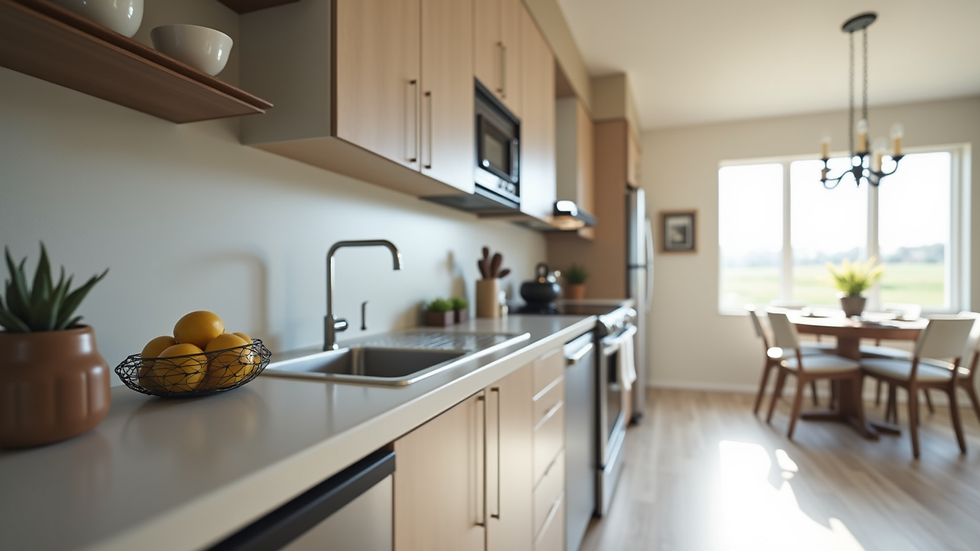
Interior finishes: Flooring, cabinetry, countertops, and paint colors are often customizable.
Energy efficiency: Upgrades like better insulation, energy-efficient windows, and HVAC systems can be included.
By focusing on these areas, you can ensure your home meets your expectations for comfort and style.

Key Steps in Customizing Manufactured Homes
To customize your manufactured home effectively, follow these steps:
Define your needs and budget: List your must-haves and nice-to-haves. Establish a clear budget to guide your choices.
Choose a reputable manufacturer: Look for companies with experience in customization and positive customer reviews.
Select a floor plan: Start with a base model that closely matches your needs. Many manufacturers provide digital tools to visualize changes.
Pick your finishes and features: Decide on flooring types, cabinetry styles, appliances, and fixtures.
Consider energy and technology upgrades: These can improve comfort and reduce long-term costs.
Review and approve plans: Work closely with the manufacturer to finalize your design.
Plan for delivery and installation: Coordinate site preparation and utility hookups.
Throughout this process, communication with your manufacturer is crucial. Ask questions and request samples to ensure your selections meet your expectations.
Is it financially smart to buy a manufactured home?
Financially, manufactured homes can be a smart investment. They typically cost less per square foot than traditional site-built homes, allowing you to get more space and features for your money. Additionally, the controlled factory environment reduces waste and construction delays, which can lower overall costs.
Here are some financial advantages:
Lower initial cost: Manufactured homes often cost 30-40% less than comparable site-built homes.
Faster construction: Reduced build time means less financing interest and quicker move-in.
Energy efficiency: Custom upgrades can lower utility bills.
Appreciation potential: While some manufactured homes depreciate, those on owned land with quality construction can appreciate over time.
However, it is important to consider land costs, financing options, and local regulations. If you plan to place your home on leased land, factor in lease fees. Also, ensure your financing terms are favorable and that the home meets local building codes.
Practical Tips for Personalizing Your Manufactured Home
To make your home truly yours, consider these practical customization tips:
Maximize storage: Add built-in shelves, closets, and under-bed storage to optimize space.
Enhance curb appeal: Choose attractive siding, shutters, and landscaping to create a welcoming exterior.
Upgrade lighting: Incorporate layered lighting with dimmers and energy-efficient bulbs.
Select durable materials: Opt for scratch-resistant flooring and easy-to-clean surfaces.
Create flexible spaces: Use sliding doors or room dividers to adapt rooms for different uses.
Incorporate smart home features: Install programmable thermostats, security systems, and smart lighting.
These enhancements improve functionality and comfort while adding value to your home.
Navigating the Customization Process with Confidence
Customizing a manufactured home can seem overwhelming, but with the right approach, it becomes manageable and rewarding. Here are some final recommendations:
Start early: Begin customization discussions before production to avoid costly changes later.
Keep documentation: Maintain records of all agreements, plans, and warranties.
Visit model homes: Touring models helps you visualize options and make informed decisions.
Consult professionals: Engage architects or designers if you want advanced customization.
Plan for future needs: Think about how your family might grow or change and design accordingly.
By following these guidelines, you can confidently create a home that fits your lifestyle and budget.
If you want to customize your manufactured home with ease, start by exploring the options available through trusted manufacturers. This approach ensures you get a quality home tailored to your preferences without unnecessary stress.

Embracing the Benefits of a Customized Manufactured Home
Choosing to customize your manufactured home means embracing flexibility, affordability, and personalization. This path allows you to enjoy a home that reflects your tastes and meets your practical needs. With careful planning and collaboration, you can create a space that feels uniquely yours.
Remember, the key to success lies in clear communication, realistic budgeting, and thoughtful design choices. By investing time and effort upfront, you ensure your manufactured home will be a comfortable and valuable asset for years to come.


Comments