Energy Efficient Features to Look for in Homes: Essential Eco-Friendly Home Features
- Lisa Meddock
- Feb 23
- 4 min read

When searching for a new home, especially a manufactured or factory-built one, I always prioritize energy efficiency. Choosing a home with the right eco-friendly home features not only reduces utility bills but also minimizes environmental impact. In this post, I will guide you through the key energy efficient features to look for in homes, helping you make an informed decision that benefits both your wallet and the planet.
Understanding Eco-Friendly Home Features
Eco-friendly home features are design elements and technologies that reduce energy consumption and promote sustainability. These features improve a home's overall efficiency, making it more comfortable and cost-effective to live in. For families and individuals seeking affordable, customizable manufactured homes, these features are crucial.
Some common eco-friendly home features include:
High-performance insulation: Proper insulation keeps the home warm in winter and cool in summer, reducing heating and cooling costs.
Energy-efficient windows: Double or triple-pane windows with low-emissivity coatings prevent heat loss and gain.
Efficient HVAC systems: Modern heating, ventilation, and air conditioning systems use less energy while maintaining comfort.
Solar panels: Harnessing solar energy can significantly cut electricity bills.
Water-saving fixtures: Low-flow faucets and toilets reduce water consumption.
LED lighting: LED bulbs use less energy and last longer than traditional bulbs.
Incorporating these features into a manufactured home can make a significant difference in energy use and monthly expenses.

What is the Most Energy-Efficient Home Design?
The most energy-efficient home design combines smart architecture with advanced materials and technology. A well-designed home maximizes natural light, optimizes airflow, and minimizes energy loss. Here are some design principles that contribute to energy efficiency:
Compact layout: Smaller, well-planned spaces reduce the surface area through which heat can escape.
Orientation: Positioning the home to take advantage of sunlight for passive heating and natural lighting.
Thermal mass: Using materials that absorb and slowly release heat to stabilize indoor temperatures.
Air sealing: Preventing drafts and leaks to maintain consistent indoor temperatures.
Green roofs and walls: Adding vegetation to roofs or walls for insulation and cooling effects.
Manufactured homes can incorporate these design elements effectively. For example, North Country Home Center llc offers customizable floor plans that optimize space and energy use, making it easier to achieve an energy-efficient home.
Key Energy Efficient Features to Look for in Homes
When evaluating homes, especially manufactured ones, I focus on specific features that guarantee energy savings and comfort. Here are the most important ones:
1. Insulation Quality
Insulation is the backbone of an energy-efficient home. Look for homes with insulation rated for your climate zone. In the Pacific Northwest, where temperatures can vary, insulation in walls, floors, and ceilings should meet or exceed local building codes. Spray foam insulation is an excellent option because it seals gaps and provides a high R-value.
2. Energy Star Appliances
Homes equipped with Energy Star-rated appliances consume less electricity and water. These appliances include refrigerators, dishwashers, washing machines, and HVAC units. Choosing a home with these appliances already installed saves you the hassle and cost of upgrading later.
3. Efficient Windows and Doors
Windows and doors are common sources of heat loss. Look for double or triple-pane windows with low-E coatings and insulated frames. Properly sealed doors with weatherstripping also prevent drafts. These features help maintain indoor temperatures and reduce heating and cooling demands.
4. Heating and Cooling Systems
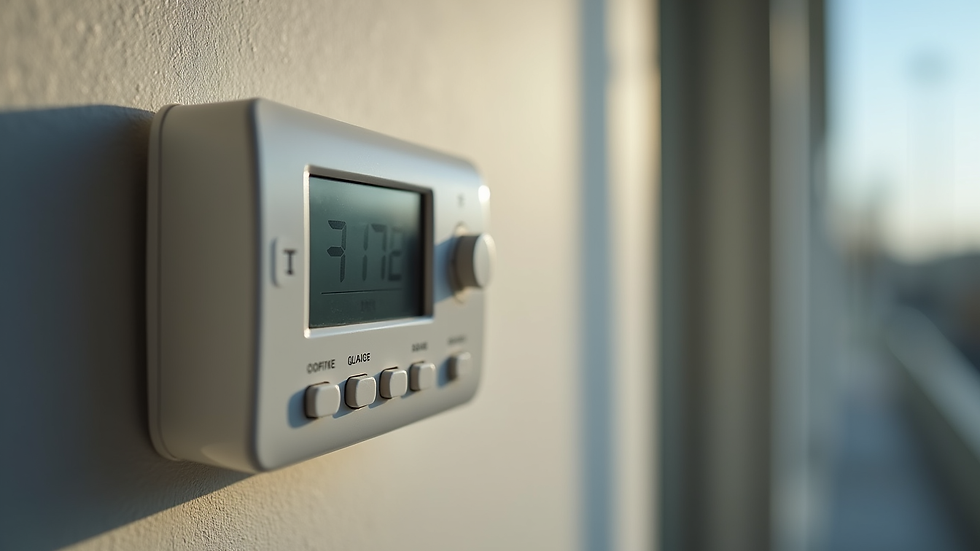
Modern HVAC systems with programmable thermostats and variable speed motors offer precise temperature control and energy savings. Heat pumps are particularly effective in moderate climates like the Pacific Northwest, providing both heating and cooling efficiently.
5. Renewable Energy Options
Solar panels are becoming more affordable and practical for manufactured homes. Some builders offer solar-ready homes or include solar installations as part of the package. Even if you cannot install solar panels immediately, having the infrastructure in place makes future upgrades easier.
6. Water Efficiency
Water-saving fixtures reduce water bills and conserve resources. Look for homes with low-flow toilets, faucets, and showerheads. Additionally, consider homes with rainwater harvesting systems or greywater recycling for irrigation.
7. Smart Home Technology
Smart thermostats, lighting controls, and energy monitors help manage energy use effectively. These technologies provide real-time feedback and allow you to adjust settings remotely, ensuring you only use energy when needed.
How to Evaluate Energy Efficiency When Buying a Home
Before purchasing, ask for documentation on the home's energy performance. This may include:
Energy audits: Professional assessments that identify areas of energy loss.
HERS rating: The Home Energy Rating System score indicates overall energy efficiency.
Utility bills: Past energy bills can reveal actual consumption patterns.
If possible, tour the home during different times of the day to observe natural lighting and temperature consistency. Also, inquire about warranties on energy-efficient components and the builder's reputation for quality.
Making Your Manufactured Home More Energy Efficient
If you already own a manufactured home or plan to customize one, consider these upgrades:
Add extra insulation in attics and crawl spaces.
Replace old windows with energy-efficient models.
Install a programmable thermostat.
Upgrade to LED lighting throughout the home.
Seal air leaks around doors, windows, and vents.
Consider adding solar panels or a solar water heater.
These improvements can significantly reduce energy costs and increase your home's comfort.
Why Energy Efficiency Matters for Manufactured Homes
Manufactured homes offer affordability and customization, but without energy-efficient features, they can be costly to operate. Investing in energy efficiency enhances the value of your home and reduces your environmental footprint. It also aligns with the mission of companies like North Country Home Center llc, which strives to make homeownership easy and affordable by offering quality, customizable homes with comprehensive support.
By focusing on energy efficiency, you ensure your home is not only a place to live but also a smart investment for the future.
For more information on energy efficient home features, explore the options available through trusted manufacturers and builders. Choosing the right features today will pay off in comfort and savings for years to come.


Comments